

Hot off the press…April 2023 Animal Frontiers. Meat’s role in the human diet!
We have discussed this topic so many times in so many different ways and yet I still get the same weak epidemiological responses and plant based talking points that I hesitate to even continue the discourse. But it is necessary because quite honestly arguments to the contrary are of such poor quality.
The only way to assess a food is through its biochemistry and its interaction with the human body by way of the nutrients it provides and in what form. This removes the belief and dogma and is the best chance we have of making evidence based recommendations.
History first… Due to a process of ‘encephalization’, humans have a larger brain size than would be expected for their body size. This process required a shift from a diet high in bulky plants of low digestibility (requiring voluminous fermentation chambers such as a rumen or cecum, or an extensive colon), to a higher-quality diet where foods are more energy dense and require less digestive processing. The intestinal length to body length ratio of humans (5:1) is like dogs (6:1) and markedly different to grazing mammals (cattle, 12:1).(1)
“Optimal foraging theory further explains the primordial role of meat in evolutionary diets. Survival depended on adequate daily energy balance, which is a function of the energy content of foods consumed minus the energy spent in obtaining those foods. Despite an abundance of edible (micronutrient-rich) plants in most geographic locations, the energy content of foods available was heavily weighted towards animal foods rich in protein and fat.” (1)
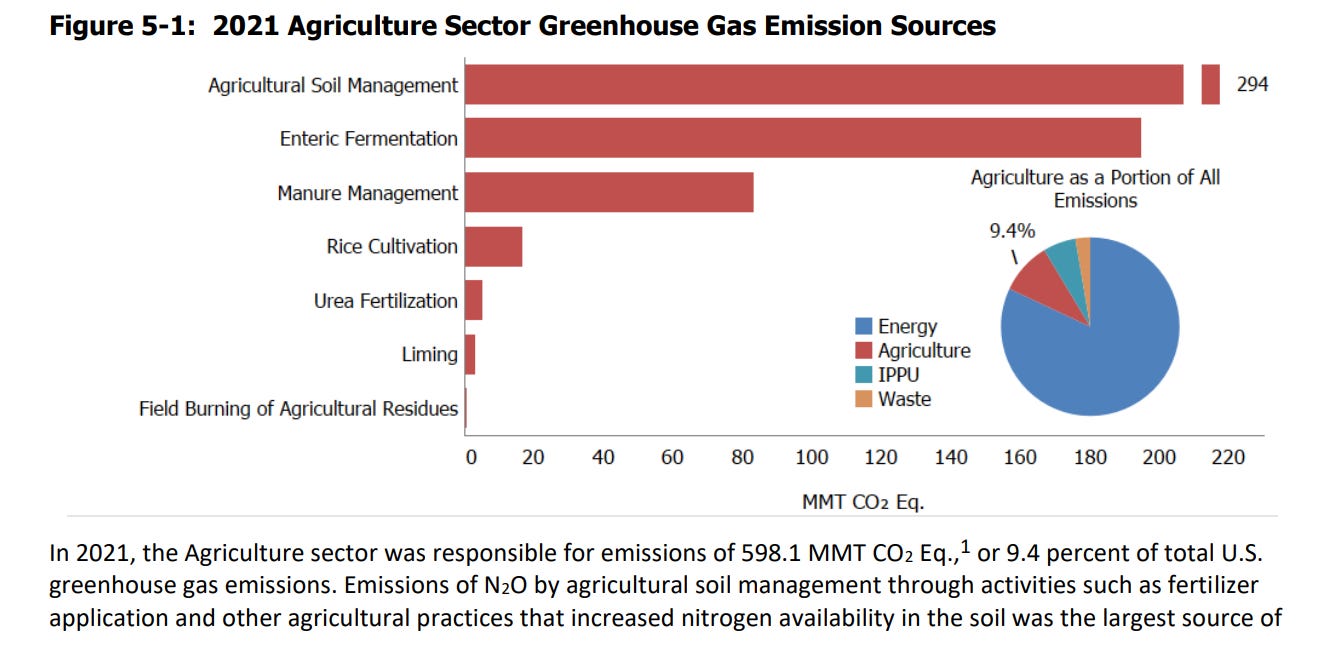
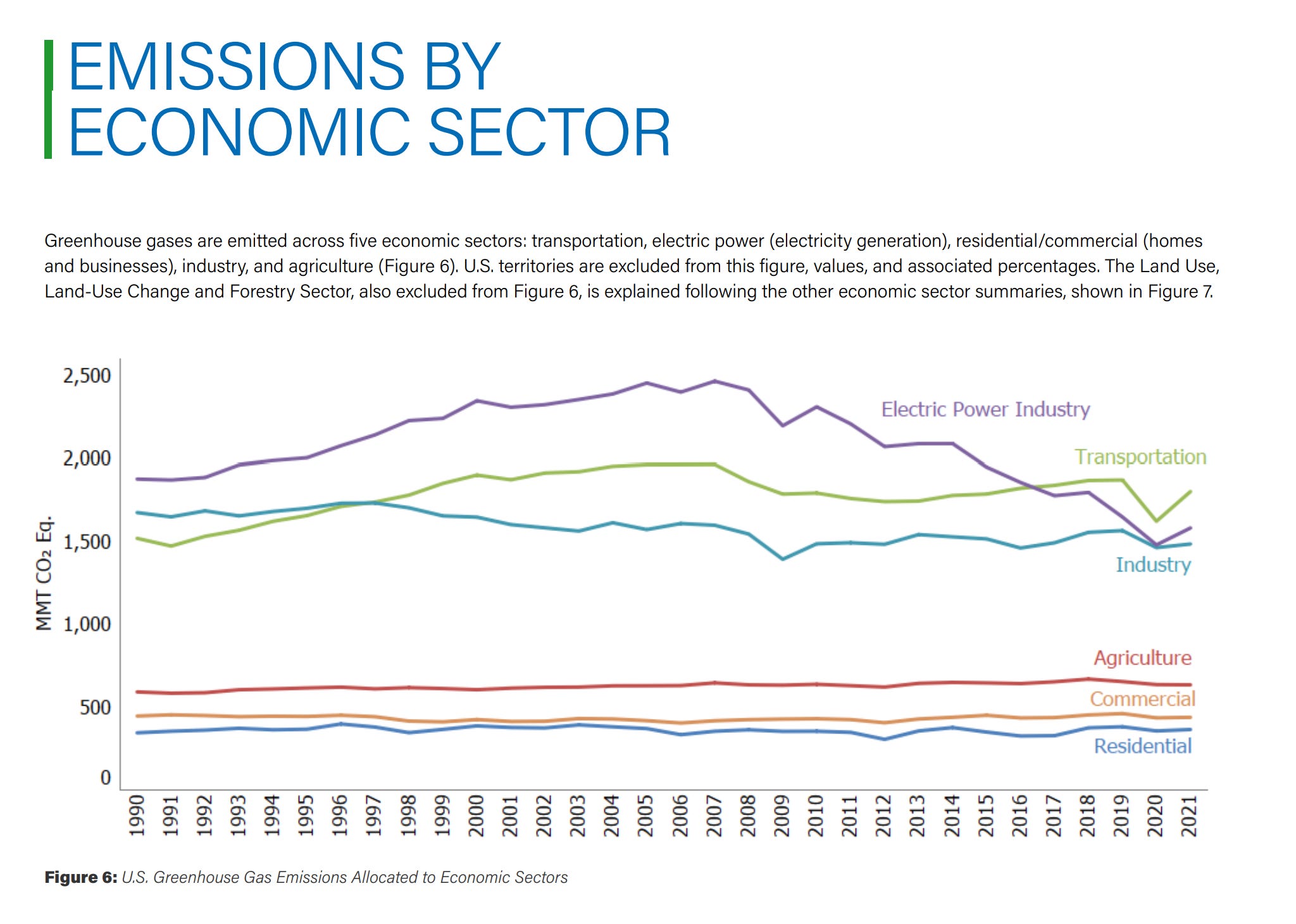
You see today we have the luxury and convenience of choosing our diets which allows for this misguided plant based approach to have gained a foothold. However modern day diets are only possible due to mass transit and industrial processing. This hardly makes for a quality evolutionary argument. Often forgotten in all the hype around “better for you better for the planet” marketing is the fact that according to the EPA’s own data agriculture only represents 9.4% of total GHG emissions and of that 50% belongs to crop agriculture while only 44% belongs to livestock. The rest is fuel combustion.(2) Maybe NYC “Vegan” Mayor Eric Adams should read a little more and talk a little less. His vain attempt to save the planet with the creation of "Vegan Fridays” in addition to the "Meatless Mondays," introduced under the previous empty headed mayor is just the latest attempt by an out of touch and uneducated politician sticking his nose where it doesn’t belong.
Meat has a key dietary role to play based on the density and bioavailability of its nutrients. Restricting its intake would imply that these nutrients will need to be supplied by other foods, or by fortification or supplementation. Processed foods and pills is the answer that corporations want to hear. If you can’t grow it they must supply it! In fact in many low- and middle-income countries, particularly in Sub-Saharan Africa and South Asia, meat intake is very low, and undernutrition is high.(1)
Although meat makes up a small part (<10%) of global food mass and energy, it delivers most of the global vitamin B12 intake and plays a substantial role in the supply of other B vitamins, retinol, long-chain omega-3 fatty acids, several minerals in bioavailable forms (e.g., iron and zinc), and a variety of bioactive compounds with health-improving potential (e.g., taurine, creatine, and carnosine).
“As a food matrix, meat is more than the sum of its individual nutrients. Moreover, within the diet matrix, it can serve as a keystone food in food-based dietary interventions to improve nutritional status, especially in regions that rely heavily on cereal staples.”(1)AKA low nutrient value foods. Hear that Food Compass?
The reductionist idea that we can simply replace a food like meat with man made options which historically are a complete failure and likely have actually contributed to the overall disease burden around the world is a farce.(3) It is yet another reveal that shows the powers that be are not interested in public health but rather an agenda. An agenda we have discussed at great length and has been going on for decades if not a century. Food as a weapon of control.
The conclusion of the authors, “Meat is a nutrient-dense food, well suited to meeting human nutritional requirements. With a demonstrated role in human evolution, it continues to have a key role in human health and development today. Removal or large reductions of meat from the diet, as well as prevention of increases where consumption is low, either of an individual or of populations, carries a risk which must be appreciated when considering its value in future food systems.”
Educating yourself is step one in fighting back. Step two is implementation. Get some percentage of your food from local sources that are resistant to supply chain influence and government overreach. Lastly, spread the word. Creating small communities of like minded people who shar your health values is exactly what they don’t want. They want you watching the television, not asking questions, and appealing to authority. If you are reading these words, you aren’t likely to fall for that. Now its time to recruit others. There is no freedom without food freedom!
References
1. Frédéric Leroy, Nick W Smith, Adegbola T Adesogan, Ty Beal, Lora Iannotti, Paul J Moughan, Neil Mann, The role of meat in the human diet: evolutionary aspects and nutritional value, Animal Frontiers, Volume 13, Issue 2, April 2023, Pages 11–18, https://doi.org/10.1093/af/vfac093
2. EPA.gov. https://cfpub.epa.gov/ghgdata/inventoryexplorer/#agriculture/entiresector/allgas/category/all. Accessed April 29, 2023.
3. Pagliai G, Dinu M, Madarena MP, Bonaccio M, Iacoviello L, Sofi F. Consumption of ultra-processed foods and health status: a systematic review and meta-analysis. Br J Nutr. 2021;125(3):308-318. doi:10.1017/S0007114520002688
My doctor recommends a “mediterranean diet” for me (ie, prioritizing leafy greens, vegetables, fish, etc) for better fitness and cholesterol. Contrast a close relative who lost over 70 lbs in less than a year (250 to 180) on a carnivore diet and feels great, great health indicator numbers. Then other “experts” say not everyone responds equally well to the same diet regimen. It’s hard to know what to do! Do I want to rock my own boat by going to a meat-based diet? I think I’d like to try it but still many questions. Thanks for shedding additional light on the topic.
Loved it. Food as a weapon of control. Totally true.